
AI & Data Labeling
40 articles in this topic.

Embodied Data Has an Expiry Date.
Text and image data keeps its value indefinitely. Embodied task data does not. Why the window for collecting physical AI training data is narrower than most buyers assume.
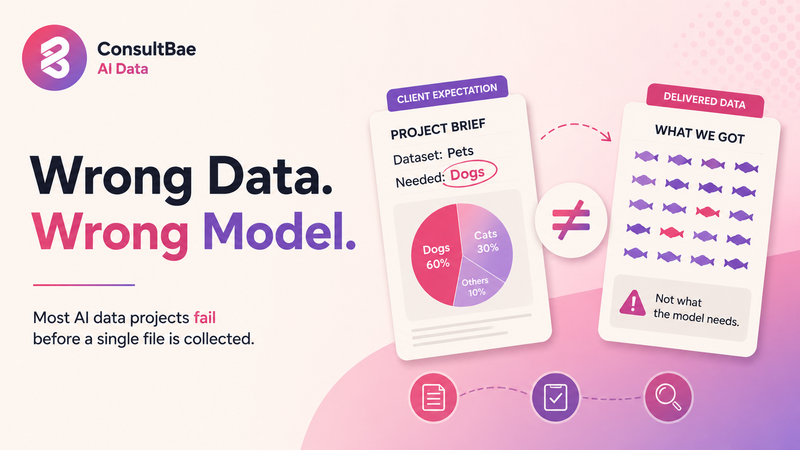
The Client Wanted Dogs. You Sent Cats.
Most AI training data projects do not fail on labelling skill. They fail because nobody agreed what the dataset was supposed to contain before collection started.
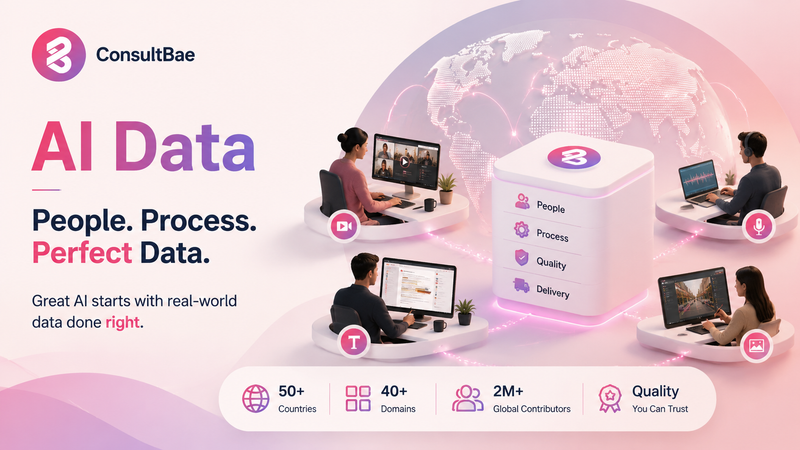
Everyone Thinks AI Data Is a Tech Problem. It Is Mostly Not.
People assume a company that cleans and annotates AI training data must be a tech company. After building one, the founder's honest answer is that it is not.

Why Autonomous Vehicle Training Data Is So Hard to Get Right
Self-driving models don't fail on ordinary miles. They fail on rare moments, and that is the autonomous vehicle training data hardest to capture and label.
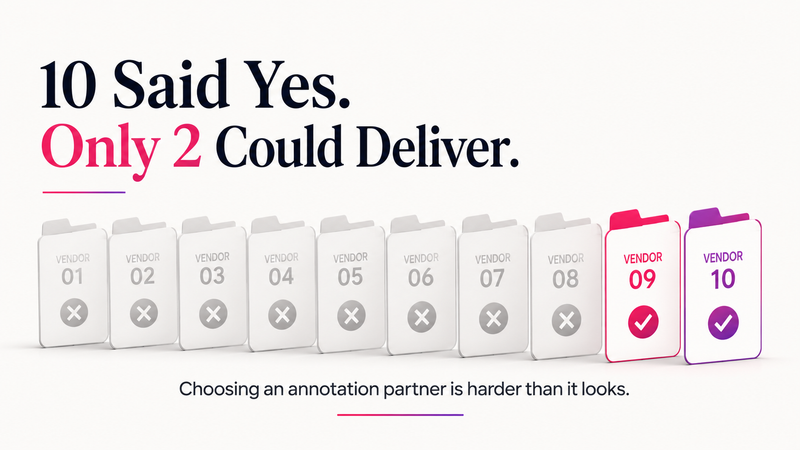
What the Best Data Annotation Companies Actually Have in Common
Ranked lists won't tell you which data annotation company can actually deliver. Here are the five things that separate the best from the rest.
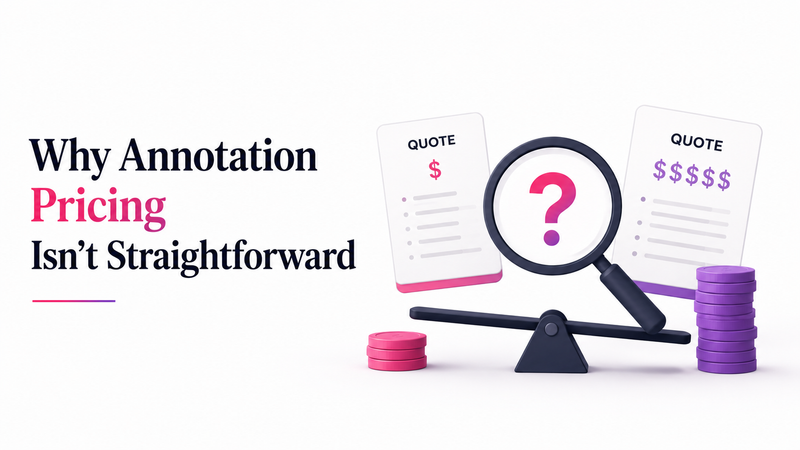
Why You Can't Get a Straight Answer on Data Annotation Pricing
Two vendors can quote 5x apart for the same data annotation project. Here is what actually drives the price, and how to read a quote fairly.

What Is Physical AI? And Why It Needs Different Data.
Physical AI is the next wave of model training demand. Here is what it actually means, why the data requirements are fundamentally different, and what the companies building it need right now.

The Cheapest Per-Item Rate Is Usually the Most Expensive Dataset.
What per-unit commodity pricing in AI data services excludes, and how the costs stripped from the quoted rate reappear later in rework, delays, and model performance issues.

Finding a Hundred Contributors Is the Easy Part. Getting Them to Annotate Correctly Is Where Projects Break.
Why annotation quality is an independent operational function from contributor sourcing, what it requires that sourcing does not, and how conflating the two produces the quality failures that show up in model training.
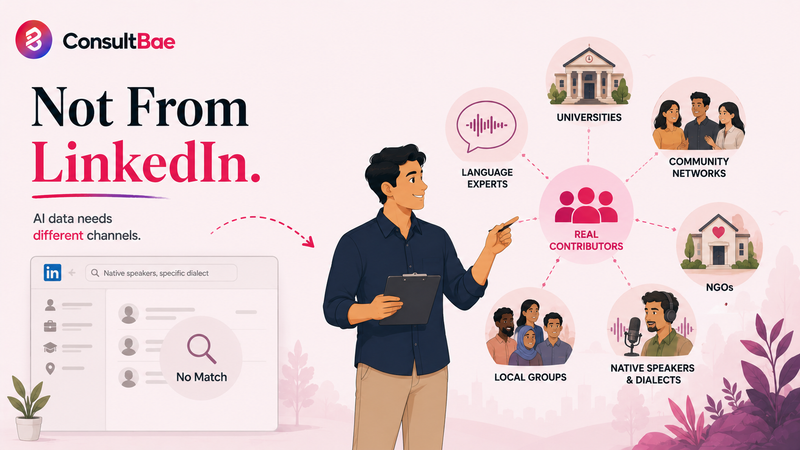
You Cannot Fill an Audio Dataset Project from LinkedIn. Here Is Where the Contributors Actually Come From.
The sourcing channels for AI data contributors are structurally different from recruitment channels. Treating them as the same is one of the fastest ways to fail a data collection project before it begins.
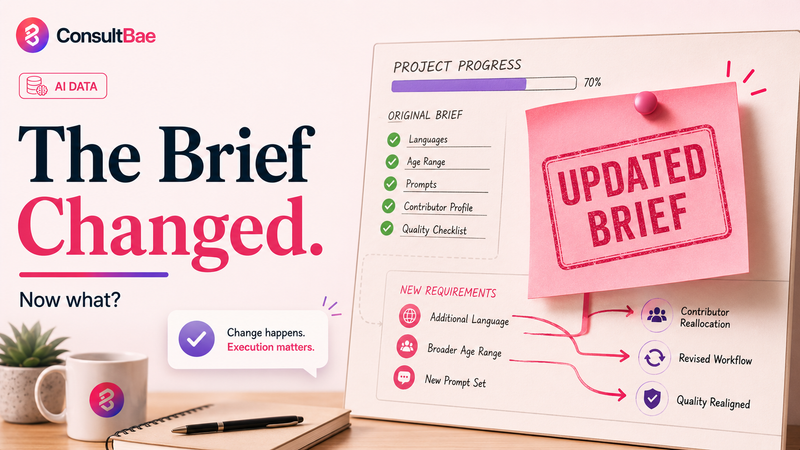
The Client Changed the Brief. Collection Had Already Started.
Mid-project scope changes in AI data collection are more common than anyone admits. Here is what good management of them looks like, and what poor management of them costs.
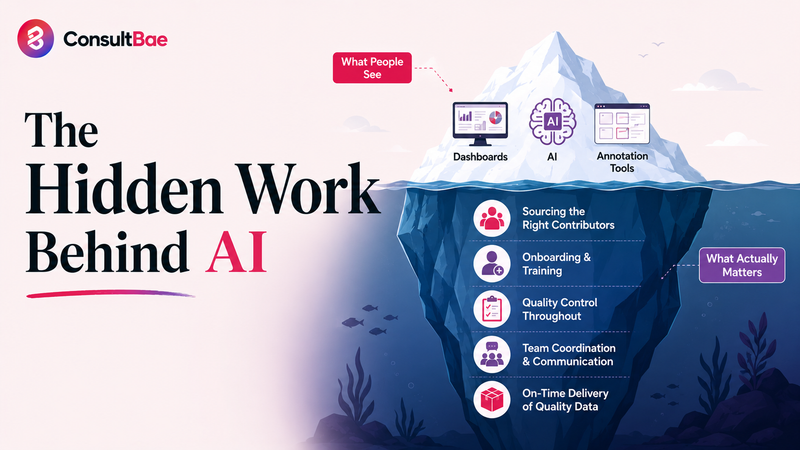
Everyone Calls It an AI Business. We Call It Project Management.
What actually determines whether a data collection and annotation project succeeds has less to do with technology and more to do with scoping, staffing, and delivery. Here is what that looks like from the inside.
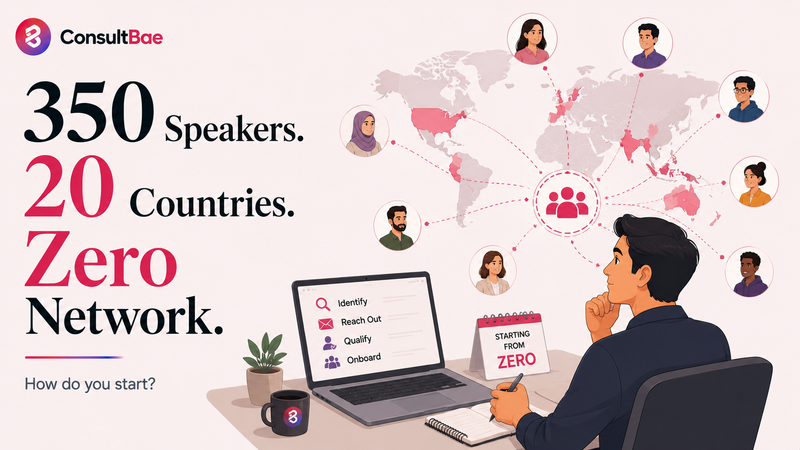
350 Speakers, 20 Countries, Zero Existing Network. How Do You Start?
The operational reality of scaling a data collection project across borders that nobody teaches in a vendor pitch. A look at how contributor networks get built from scratch.
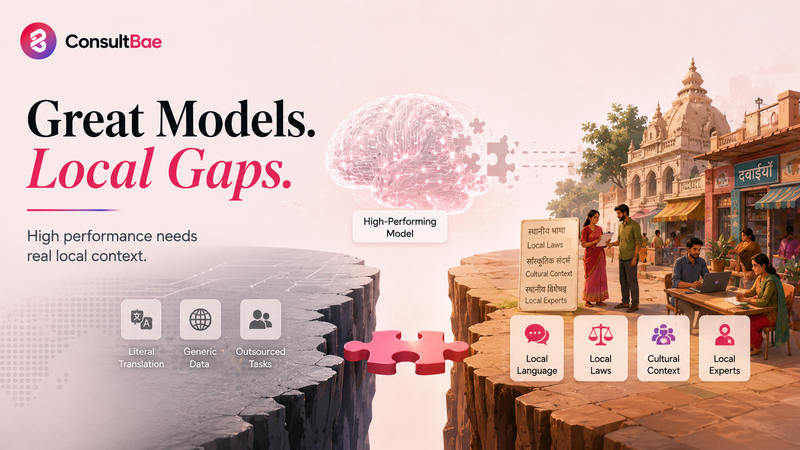
The Localization Paradox: Why High-Performing Models Stumble on Regional Real-World Context
When abstract neural networks face real-world operations, literal translation fails. True compliance and precision demand datasets configured by structured local hubs.
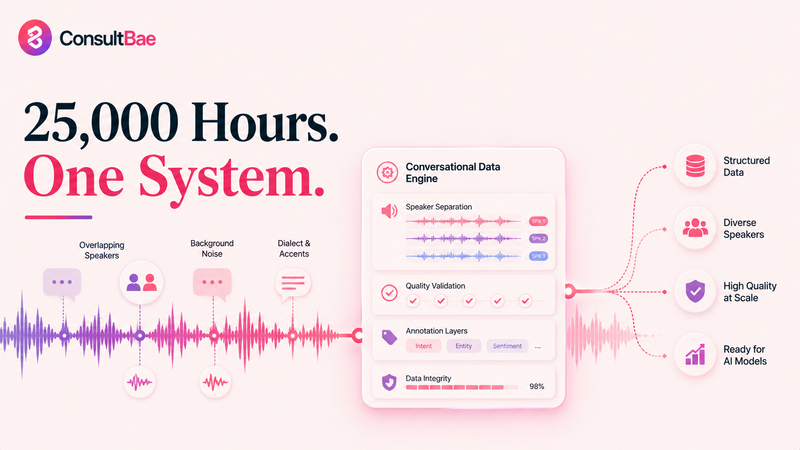
The Hidden Engineering Behind 25,000 Hours of Conversational Audio
Unscripted human speech is messy, filled with overlapping voices, ambient noise, and dialect shifts. Managing this level of data complexity requires an entirely new framework.
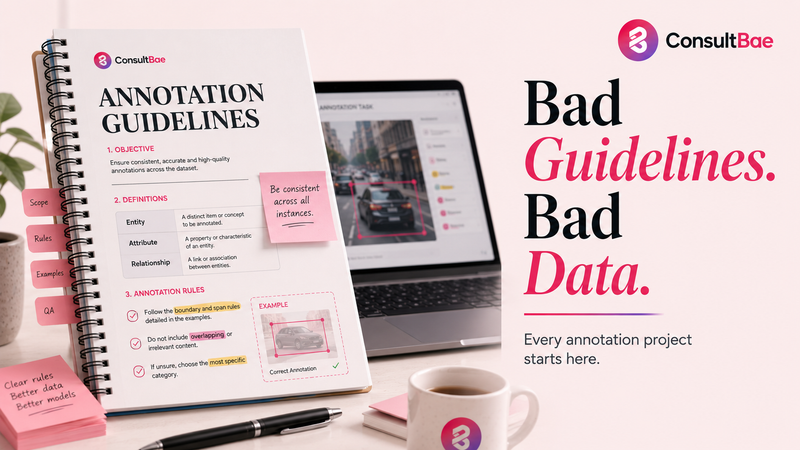
Why annotation guidelines are the most underrated document in an AI data project.
The annotation guideline is treated as a setup document. It is actually the single artefact that determines the quality of everything that follows. Vanshika Jain on why a weak guideline produces a weak dataset no matter how good the annotators are.

What it actually takes to onboard a contributor in a country you have never worked in.
When ConsultBae took its first project across 20 countries, it had no network in any of them. Amitt Agrawaal on the cold-start problem of building a contributor base in an unfamiliar country and why it cannot be rushed or faked.
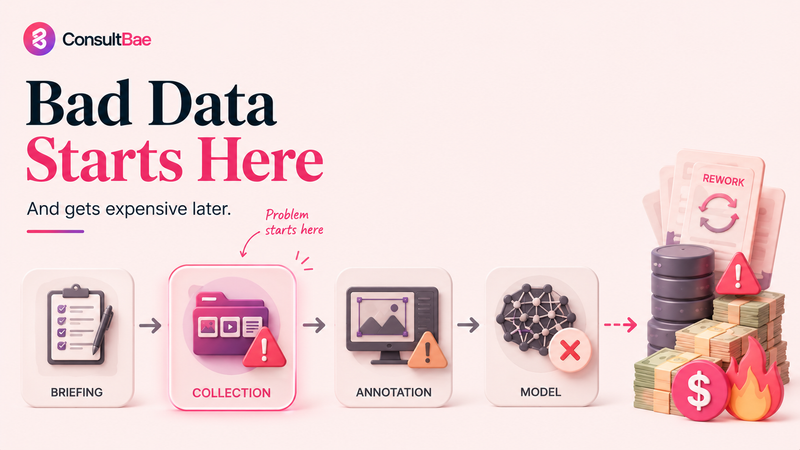
Why the cheapest stage to fix a data problem is the one before collection starts.
Every data problem has a cost curve. It costs almost nothing to fix at design and the most after a model has trained on it. Mohit Singh Katewa on why front-loading project design is the highest-return work in an AI data project.
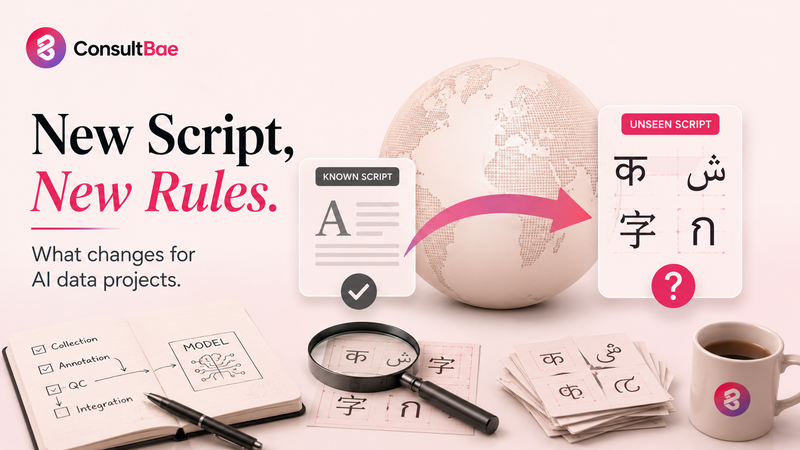
What changes when an AI data project crosses into a writing system the model has never seen.
Collecting data in a new language is one problem. Collecting it in an unfamiliar script is a different one. Vanshika Jain on why script, not language, is the real operational boundary in AI data work.
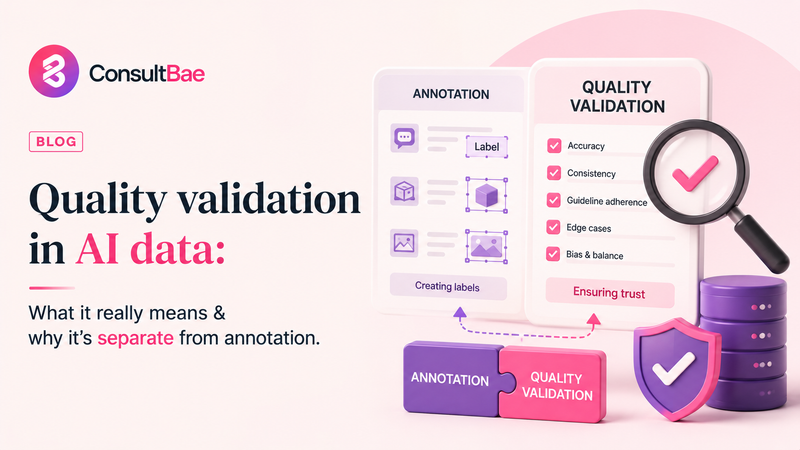
What quality validation actually means in AI data, and why it is a separate service from annotation.
Quality validation is a distinct service from annotation. Mohit Singh Katewa on what independent dataset validation examines, when companies need it, and why a team cannot fully validate its own data.
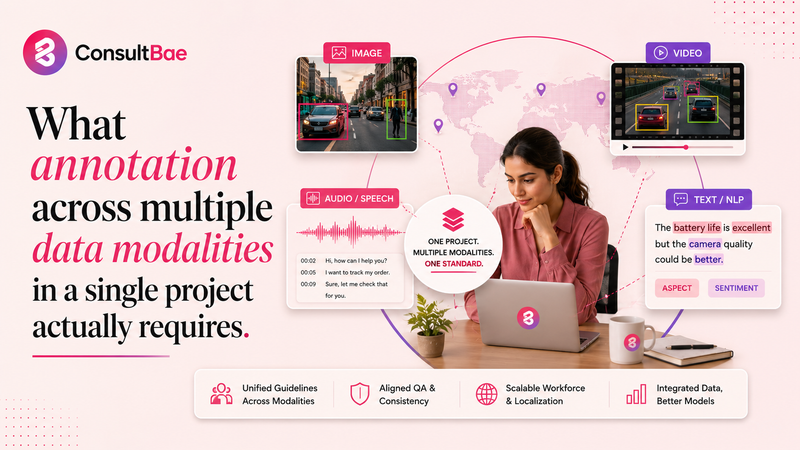
What annotation across multiple data modalities in a single project actually requires.
Multimodal annotation is not three datasets in one folder. Mohit Singh Katewa on what changes when speech, image, video, and text annotation need to integrate, and why most platforms cannot run this work well.

What it takes to staff an AI data project across 100 countries from a single coordination point.
Most vendors claim global capability. Few actually have it. Vanshika Jain on the four operational layers required to run AI data work across geographies and why most projects do not have them in place.
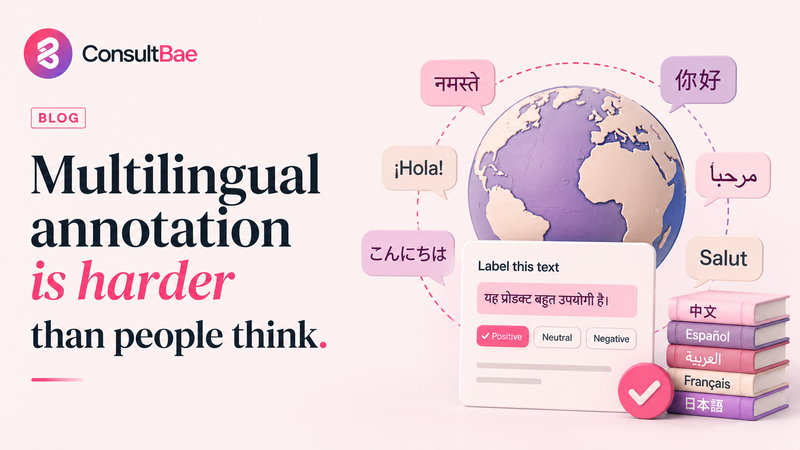
Multilingual annotation is harder than people think.
Annotating across twenty languages is not twenty English projects in parallel. Vanshika Jain on the operational challenges multilingual annotation introduces and what a well-run operation actually looks like.
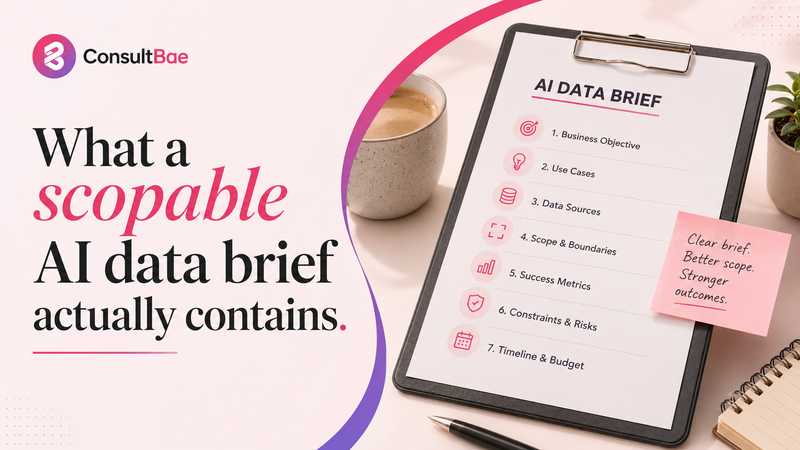
What a scopable AI data brief actually contains.
Vague briefs produce vague proposals. Amitt Agrawaal on the seven things a brief needs to contain for a vendor to scope it in a single conversation, and what to do when you cannot fill them all in yet.
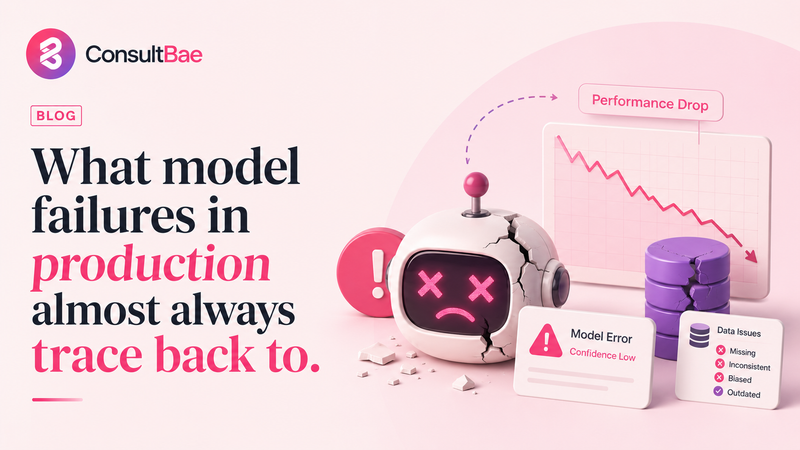
What model failures in production almost always trace back to.
When a model misbehaves in production, the engineering team gets the call. The fix almost always lives in the data. Mohit Singh Katewa on the four failure modes that consistently trace back to upstream data work.
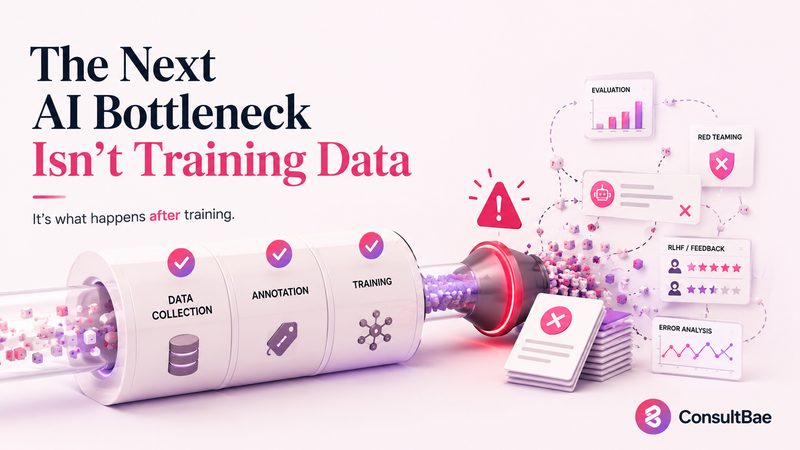
Why post-training data work is the next big bottleneck nobody is talking about.
Training data has been solved at scale. The work that comes after (RLHF, evaluation, red-teaming, ongoing fine-tuning) requires different infrastructure most teams have not built. Mohit Singh Katewa on what's coming next.
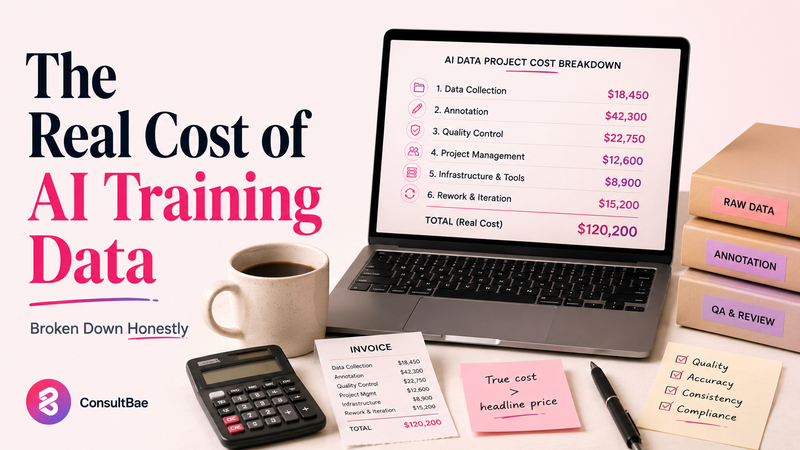
The real cost of AI training data, broken down honestly.
The headline price is the easiest number to compare and the least informative. Mohit Singh Katewa on the six cost components underneath every AI data project and why understanding them changes what you pay for.
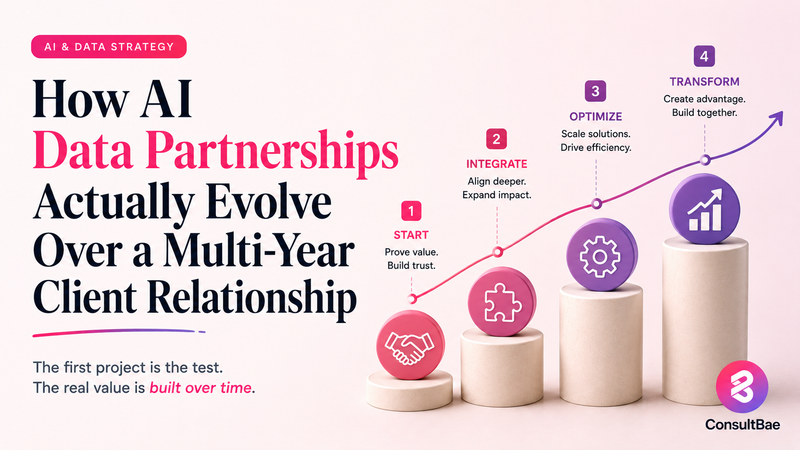
How AI data partnerships actually evolve over a multi-year client relationship.
The first project is the test. The relationships that produce real value are the ones that survive past it. Mohit Singh Katewa on the lifecycle of an AI data partnership and what gets built at each stage.

What happens when AI data collection scales from pilot to production.
The pilot worked. The production version did not. Amitt Agrawaal on the operational gap between proving a data project and running one at scale, and what most teams miss in the transition.
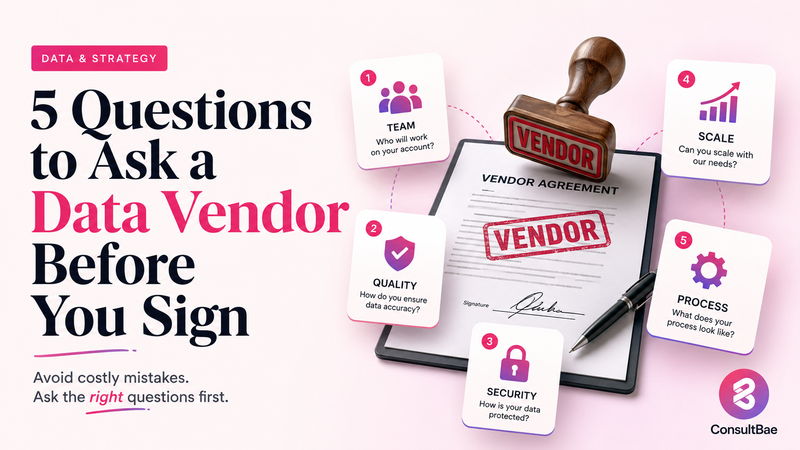
The five questions every company should ask a data vendor before signing a contract.
Most companies discover the questions they should have asked after something has gone wrong. Mohit Singh Katewa on the five questions that reveal whether a data vendor actually operates or just resells capacity.
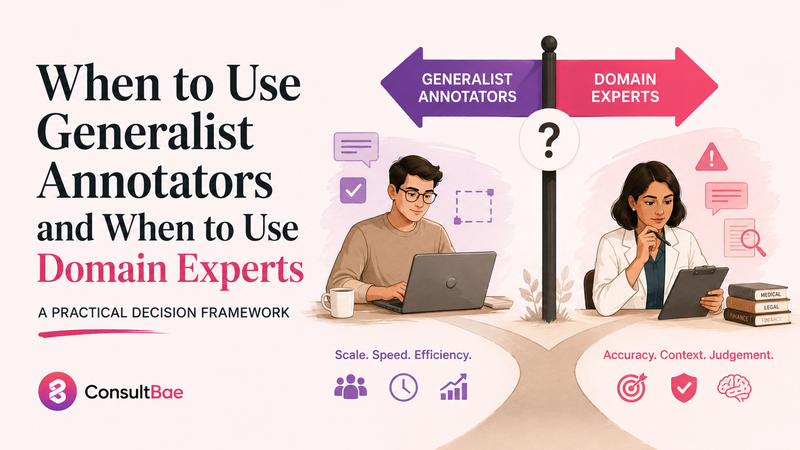
When to use generalist annotators and when to use domain experts: a practical decision framework.
Most teams default to one annotator type for everything. Both defaults are wrong. Vanshika Jain on the four questions that determine which type of annotator a task actually requires.
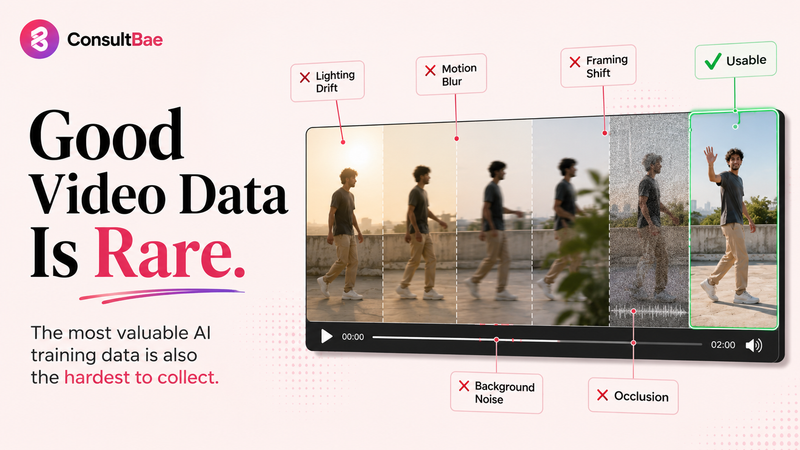
Why video data is the hardest modality to collect well, and the most valuable for the next generation of models.
Video combines every difficulty of every other data modality simultaneously, plus several that are unique to it. Mohit Singh Katewa on why video collection is operationally unlike anything else and why that matters for the models being built right now.
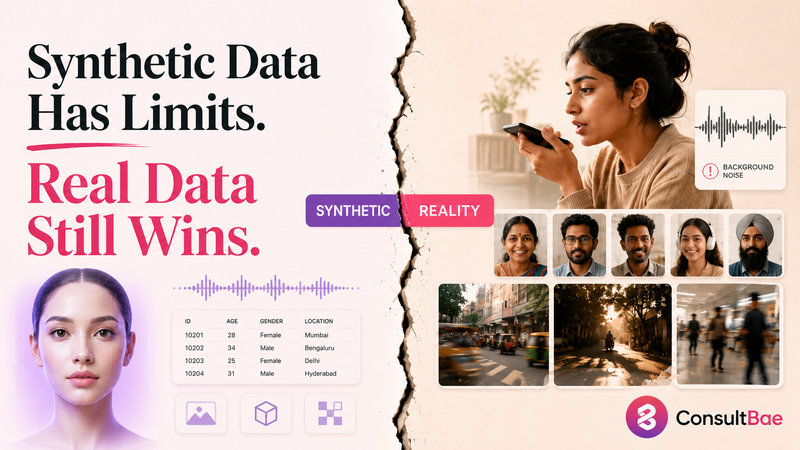
The case for synthetic data is weaker than the industry thinks. Here is what it still cannot replace.
Synthetic data is cheaper, faster, and infinitely scalable. It is also failing in exactly the situations that matter most. Mohit Singh Katewa on where the case for synthetic data breaks down in practice.
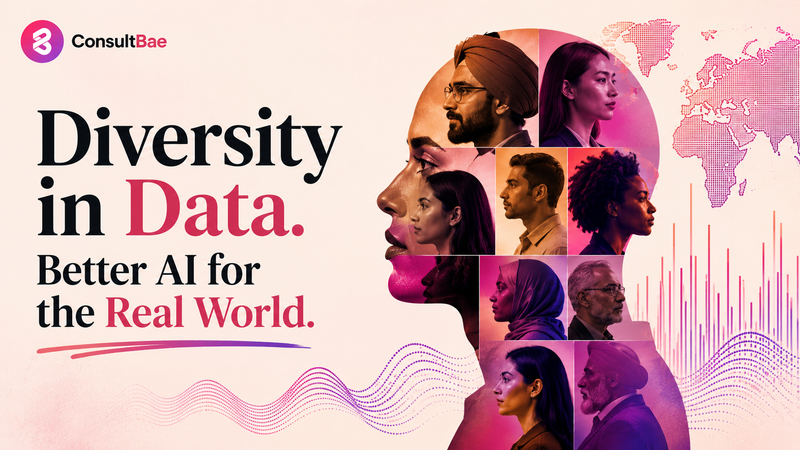
How demographic diversity in training data affects model performance in the real world.
A model trained on homogeneous data will fail predictably on everyone outside that demographic. Amitt Agrawaal on how diversity in training data determines real-world model performance and what collecting it actually requires.
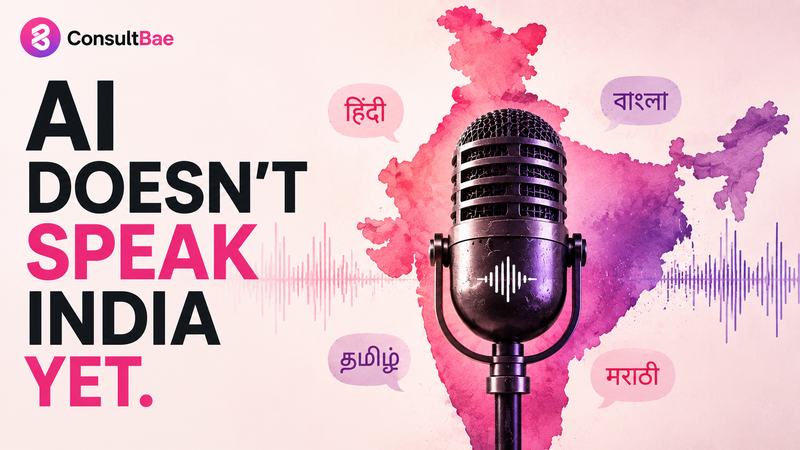
Why Indian languages are still underrepresented in global speech models, and who is paying the price for it.
India has over a billion speakers across hundreds of languages and dialects. Global speech models serve almost none of them well. Amitt Agrawaal on the data gap behind that failure and what it costs.

What makes a good annotator, and why the answer has nothing to do with speed.
The AI industry defaults to measuring annotators by throughput. That is the wrong metric entirely. Vanshika Jain on what actually separates good annotation work from work that quietly breaks your dataset.
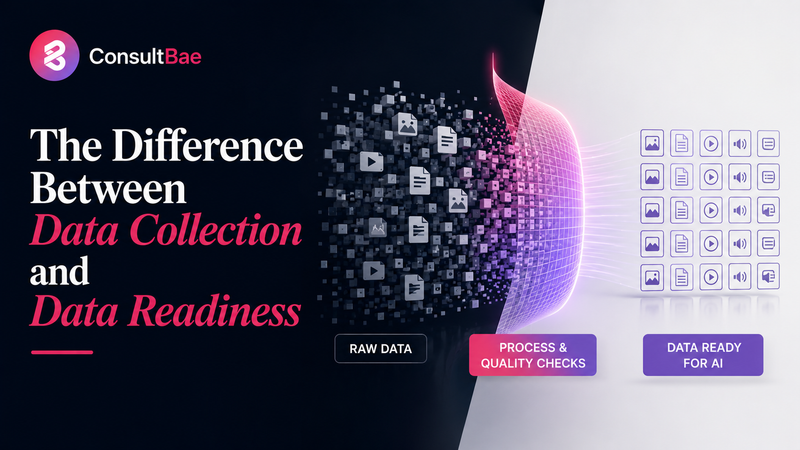
Data collection is the easy part. Data readiness is where datasets go to die.
Most AI teams treat data collection as the hard part. It is not. Here is why 60% of datasets that reach training are unusable, and what a proper data readiness pipeline actually looks like.

How the AI data vertical started from one phone call.
ConsultBae did not plan to enter AI data collection. One unexpected referral call changed that. Amitt Agrawaal on what happened next.
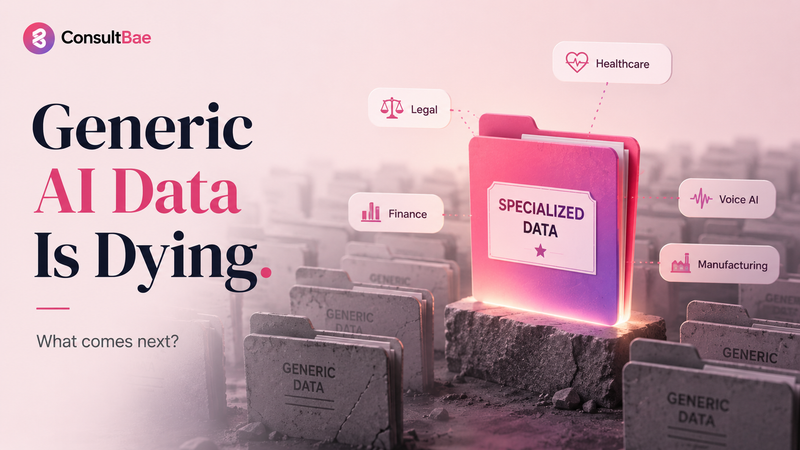
Generic AI training data is dying. Here is what comes next.
The generic AI data collection boom is ending. An operator who built a 100-country data network explains what replaces it.

The data behind AI that nobody talks about
Everyone talks about AI models. Nobody talks about what goes into training them. ConsultBae breaks down the unglamorous, essential work of AI data annotation.